



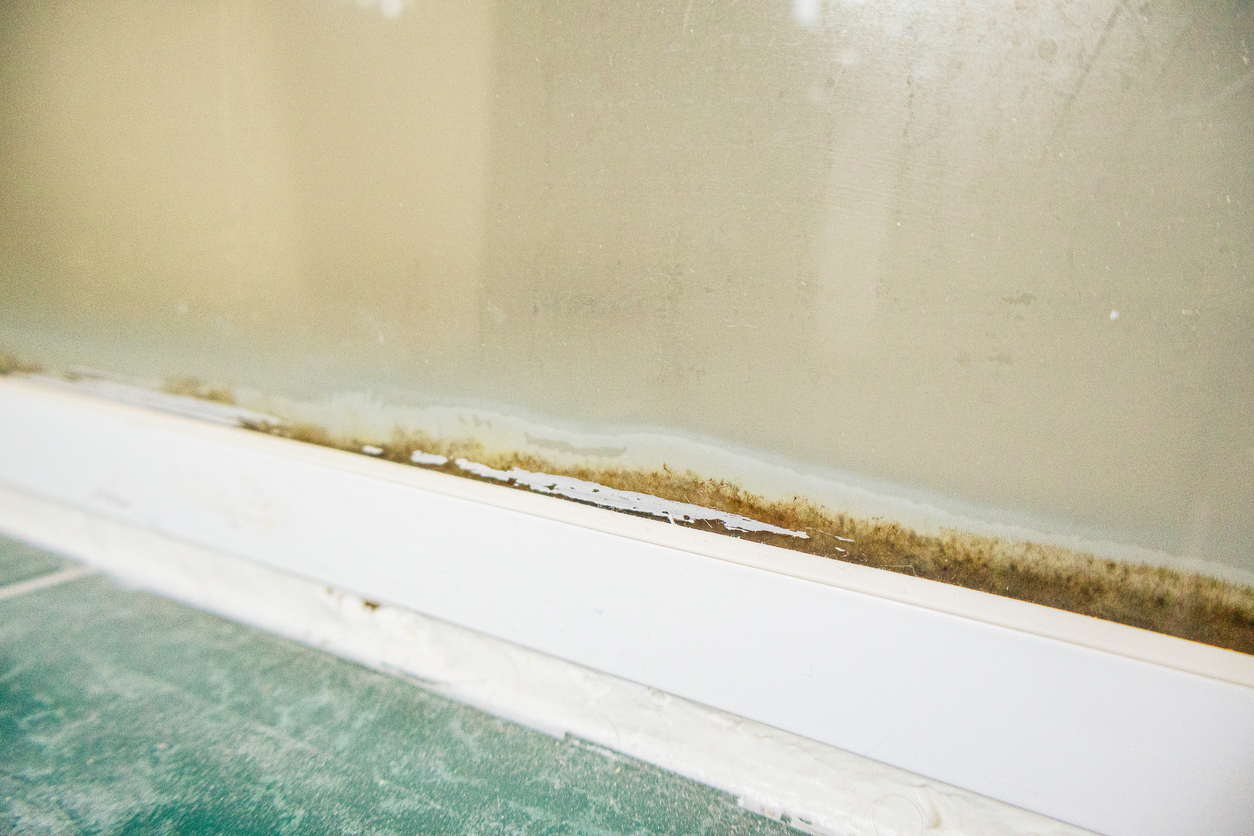
If your home has been affected by a sudden water event, following a storm, flood, or burst pipe, what happens next will depend on the property, the materials affected, and what an inspection finds.
What you can do in the immediate aftermath of water damage
- Safety is always the priority - don’t do anything that puts anyone at risk.
- Report water damage to your insurer as soon as possible.
- Do not start repairs until you have spoken to insurer and the damage has been assessed.
- Before you start your cleanup, document the damage with photos and videos to support an insurance claim.
- Take photos before removing any water damaged or soaked items that may pose a health risk and keep the space ventilated.
- Where possible double bag the affected items before moving them to prevent spreading mould.
- Follow any safety advice provided by your insurer, builder, or restoration contractor.
Why is this important?
These steps can help reduce the risk of further damage and support your claim. Once you have contacted your insurer, they will explain what happens next and whether the property needs assessment, drying, cleaning, or repairs.
Reporting and assessing the damage quickly matters, but a delay in getting into the property doesn't automatically mean the damage or mould risk has grown.
Warm, dry conditions can help things dry out naturally but ultimately trapped moisture, contamination, building design, materials, and ventilation will determine the extent of mould.
Your insurer will likely assess your property
Once a water damage claim is lodged, the property will usually be assessed to understand if any, drying, cleaning, strip-out, or remediation is required.
These activities are not automatic and will only occur where they are supported by inspection findings, moisture readings, material condition, visible mould, or contamination.
What happens during and after assessment?
- Make safe: Insurers may send contractors to your property to stop the water source, protect the property, and start urgent work to prevent further damage.
- Check where moisture remains: Special tools may be used to find hidden moisture in walls, floors, and other affected areas. Where inspections are delayed, visible signs of water damage may be less apparent, so assessment may rely on moisture readings, material condition, and site observations together.
- Drying the structure if needed: Drying equipment such as dehumidifiers and air movers may be used where moisture readings or inspection findings show that retained moisture remains and natural drying is not sufficient.
- Removal of materials where required: Items such as damaged plasterboard, insulation, carpet, or underlay may need to be removed if they cannot be properly dried, cleaned, or safely retained. Intrusive or extensive works are not required for every property.
- Control contamination where needed: If mould, contaminated water, or other contamination is confirmed or suspected, contractors may isolate the area and use specialised filtration or cleaning as part of the clean-up.
- Confirm the area is ready for repairs: In more serious cases, an independent specialist may assess the area before reinstatement starts.
Each property will be considered on its own circumstances. Not all homes will need drying equipment, strip-out, or mould remediation, particularly where conditions are dry, materials have dried naturally, and assessment confirms there is no retained moisture, visible mould, or contamination.
Why timely assessment matters
- It helps identify whether further action is needed: Inspection and moisture testing help confirm whether water remains in walls, flooring, or contents, and whether drying, cleaning, removal, or repair work is needed. Where the property has dried naturally, further remediation may not be required.
- It can lower the risk of mould: Mould risk is mainly associated with retained moisture and suitable growing conditions, rather than elapsed time alone. Dry, well-ventilated environments and high temperatures can reduce risk by supporting natural drying, but inspection is still needed where moisture may be trapped in materials or cavities.
- It can help repairs start sooner: Repairs often cannot begin until the affected areas have been assessed and any necessary drying or safety work has been completed. Assessment-led decisions help avoid unnecessary works while ensuring genuine moisture or contamination issues are addressed before reinstatement starts.
- It can support a safer recovery: Floodwater, damp materials, and mould can create safety concerns in the home. A managed clean-up and drying process can help make the property safer for occupants and trades.