

Claims management companies seek to manage your claim under contract for an upfront fee or for a percentage of your insurance payout. It is important to understand what it means to use one before you sign up with them. Find out more.


Insurance Council of Australia
Look out, disaster chasers about
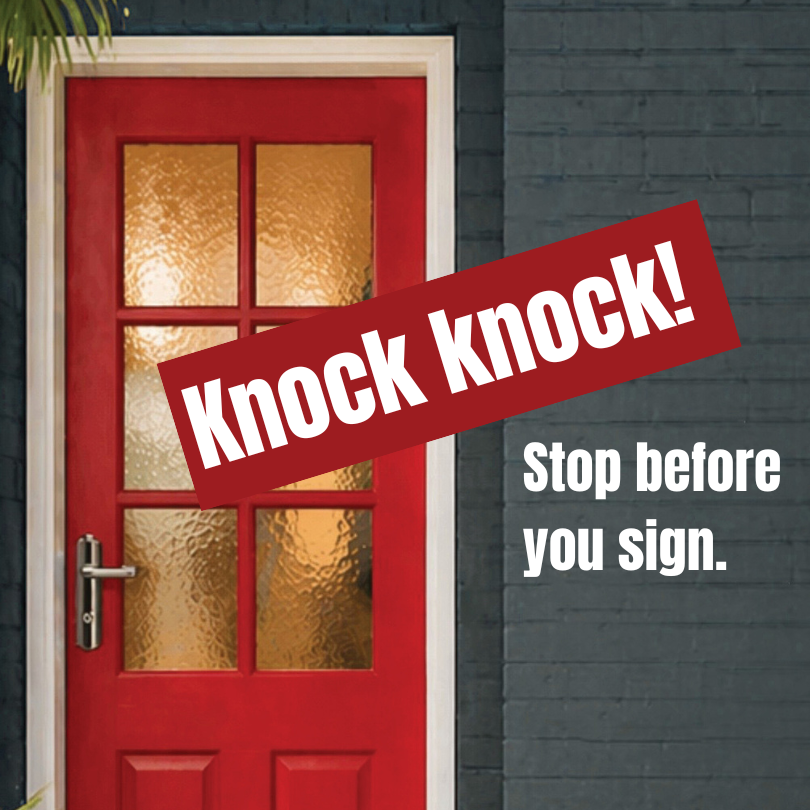
Disaster chasers may knock on your door and claim to have identified damage to your property. They might offer quick repairs, to help with your insurance claim, or they may even claim to be representatives of an insurance company. They are often unlicensed and perform non-compliant work.
How to spot a disaster chaser
- They say they found damage to your property that you didn’t know about and offer to inspect it for free. Remember: insurers will not send a tradesperson or builder to your home without telling you first.
- They promise to do the repairs quickly and cheaply.
- They may ask you to sign a contract upfront to assist with managing your insurance claim or ask you to pay money before they start work.
- They might not have the right insurance or a builder’s license. If you are not sure, ask for their ID, and ring your insurer to check.
- Always speak to your insurer before you sign a contract for repairs or rebuilding work. If you don’t, the cost of the repairs and work may not be covered by your insurer.
If you've already signed a contract, don't panic. There is a cooling-off period, and your insurer can help you end the relationship with the disaster chaser.
Risks of dealing with disaster chasers
They may perform building work without a license or that does not follow the relevant building codes. If this happens, the cost of repairs might not be covered by your insurer or your ability to insure the property in the future could be at risk.
- They may cause even more damage to your property.
- They may disrupt your insurance claim or take action that results in your claim being denied.
- They may charge fees up front without completing the work.
- They may push for a cash settlement and take a significant fee from your settlement. Leaving you with less money to undertake repairs.
Remember
- Your insurer is your first port of call and will help you navigate the claims process.
- If you see any damage to your property, contact your insurer directly before engaging anyone else.
- If in doubt, report any suspicious activity to government authorities or police.
- Use resources such as the Disaster chasers page of the National Debt Helpline at www.ndh.org.au/disaster-chaser.
Finding help
If you need help managing your insurance claim:
- Contact your insurer: They can guide you through the claims process and recommend approved service providers.
- Seek free national or state based independent advice: Some organisations offer free, independent legal or financial advice on insurance matters, such as from Legal Aid and Financial Counselling via the National Debt Helpline – ndh.org.au or 1800 007 007.
- Use resources: Websites like MoneySmart and the National Debt Helpline (NDH). They provide information on managing finances and avoiding scams
This content was developed for consumers with input from Financial Counselling Australia, Legal Aid Queensland and the Insurance Council of Australia.



Footer
Social